Check Your WASPI Eligibility Online
This free WASPI eligibility checker helps women born between April 1950 and April 1960 assess whether they may have been affected by State Pension age changes without proper notice.
The assessment is based on age, notification history, and financial or emotional impact, aligned with Parliamentary Ombudsman findings.
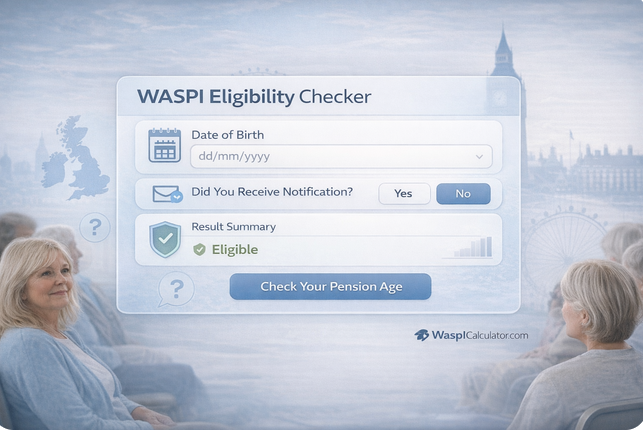
WASPI Eligibility Checker
Answer a few questions to receive an indicative eligibility assessment.
1. Personal Details
2. DWP Notification
3. Impact
Many women affected by changes to the UK State Pension age ask the same question:
“Am I eligible for WASPI?”
What Does “WASPI Eligibility” Mean?
WASPI eligibility does not mean you are automatically entitled to compensation.
Instead, it refers to whether you:
-
Were affected by changes to the State Pension age
-
Fall within the group of women impacted by those changes
-
May have experienced inadequate notice of those changes
Eligibility is about being affected, not about receiving payment.
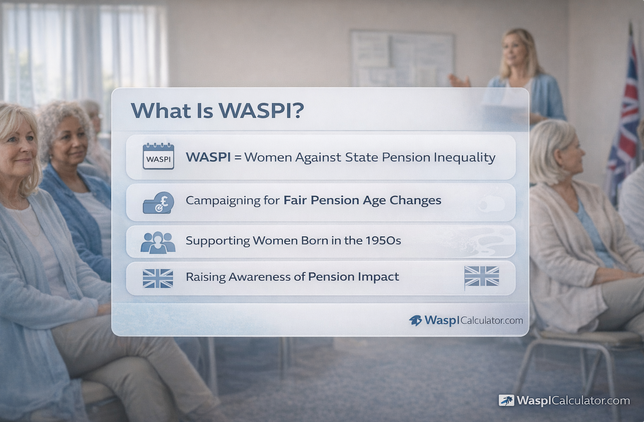
Who Is Considered a WASPI Woman?
In general, WASPI women are:
-
Women born between 6 April 1950 and 5 April 1960
-
Women whose State Pension age increased from 60 to 65 or higher
-
Women who received little or no notice of the change
These changes resulted from:
-
The Pensions Act 1995
-
The Pensions Act 2011, which accelerated the increase
Why Birth Year Matters
Your date of birth is the most important factor in determining WASPI eligibility.
Examples:
-
A woman born in 1950 may have expected to retire at 60 but had to wait longer
-
A woman born in 1955 may have seen her pension age rise by several years
-
A woman born after 1960 is usually not considered part of the WASPI group
The later you were born within the 1950s, the greater the impact was likely to be.
What Changes Affected WASPI Women?
1. Equalisation of State Pension Age
The government decided to equalise the State Pension age for men and women at 65.
2. Acceleration of the Timetable
The 2011 legislation sped up the changes, meaning:
-
Less time to prepare
-
Shorter notice periods
-
Reduced ability to adjust work or savings
3. Communication Failures
The Parliamentary and Health Service Ombudsman found that:
-
The Department for Work and Pensions failed to properly inform many women
-
Letters were delayed or not sent
-
Public awareness was limited for years
How Do I Check If I’m Eligible?
You can check eligibility by:
-
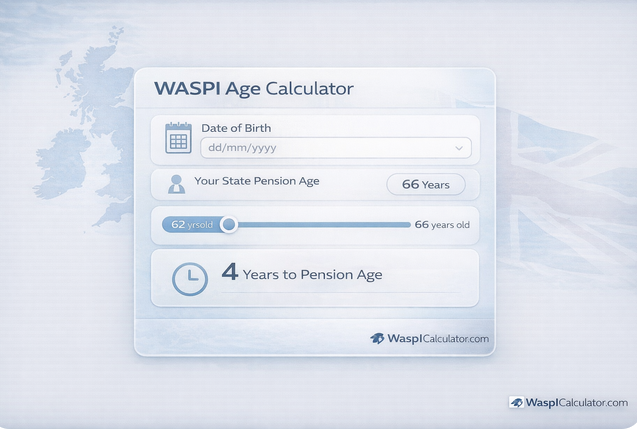
Confirming your date of birth
-
Checking your State Pension age
-
Reviewing whether you received clear notice
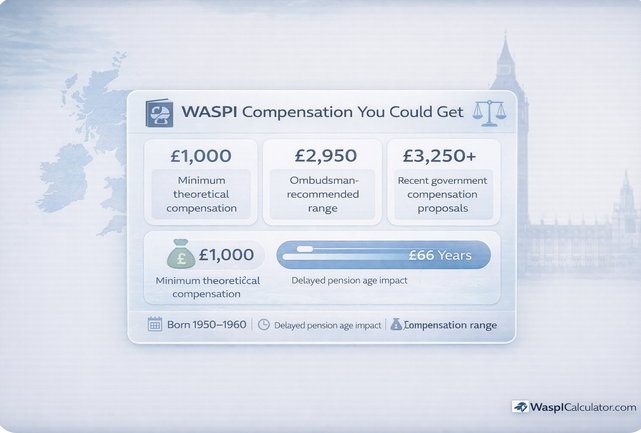
Does Eligibility Mean I Will Get Compensation?
No.
Being eligible as a WASPI woman does not guarantee compensation.
Compensation depends on:
-
Government decisions
-
Ombudsman recommendations
-
Any future compensation scheme
At present, no automatic payment system exists.
What the Ombudsman Said About Eligibility
The Ombudsman concluded that:
-
DWP failed to properly communicate changes
-
Many women were not given adequate notice
-
This amounted to maladministration
However, the Ombudsman did not decide who should be paid — only that harm occurred.
Common Eligibility Questions
1. Am I eligible if I was born in 1959?
Possibly, yes. Women born in the late 1950s were among the most affected.
2. What if I already receive my State Pension?
You may still be considered affected, depending on when you were notified.
3. What if I received a letter?
The issue is not whether a letter was ever sent, but whether communication was timely and clear.
4. Does income or employment matter?
No. Eligibility is based on age and communication, not earnings.
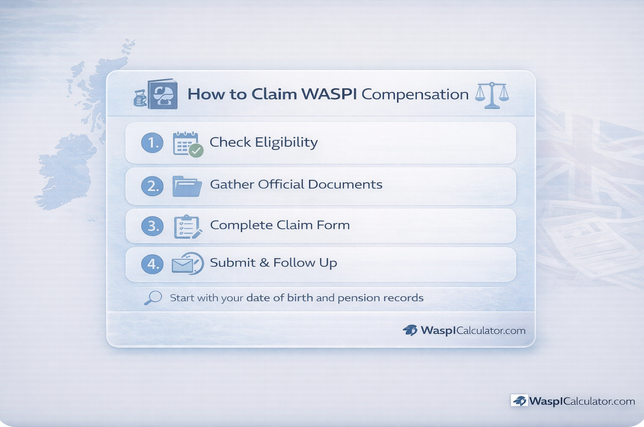
What to Do If You Think You’re Eligible
-
Use a WASPI eligibility or calculator tool
-
Check your official State Pension age
-
Keep records of any DWP correspondence
-
Follow official government updates
➡️ You can continue with:
-
WASPI Calculator – Check Your Status
-
How Much Compensation Could You Receive?
-
Latest WASPI Updates
Final Words
You may be considered a WASPI woman if you:
-
Were born in the 1950s
-
Experienced a State Pension age increase
-
Were not properly informed of the changes
Eligibility does not guarantee compensation, but it does mean you are part of the group affected by the changes that led to the WASPI campaign